
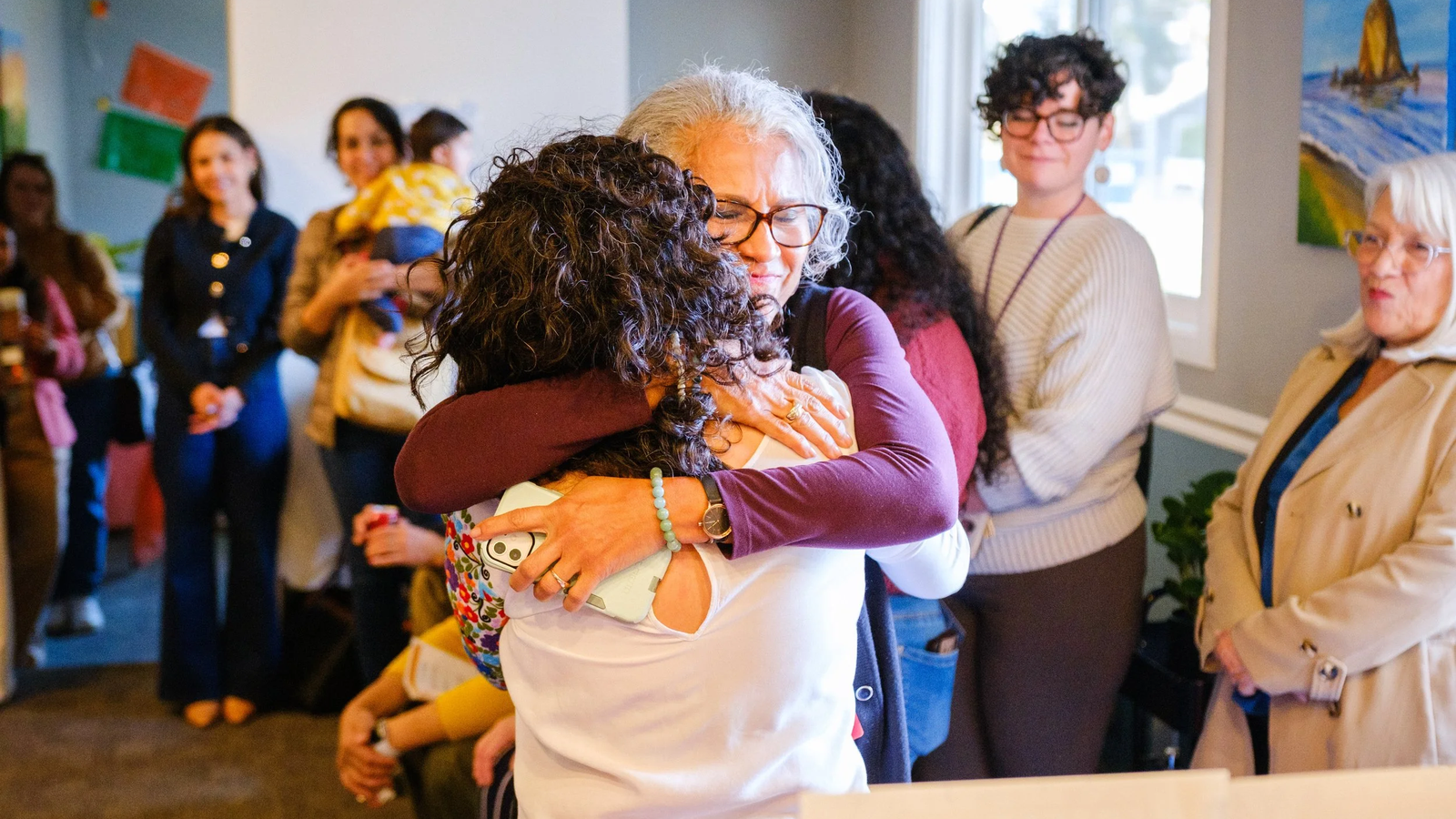
“It’s truly resilience work. Some of our participants come from wildfires and disasters.”
– Dra. Ruth Zúñiga
Overview
Raíces de Bienestar is a 501(c)3 non-profit launched in 2021. Their founders and directors have more than 20 years of combined experience working with the Latinx community, traditional health workers, and behavioral, mental, and public health. This funding supported Raíces de Beinestar’s Recovery and Resilience programing for wildfire impacted Latinx communities across OR. Their Program Manager, a trained & bilingual Community Health Worker (CHW) professional, hosted community offerings on climate change, disaster recovery and preparedness and support implementation of “Más Fuerte que la Adversidad” cohorts. This programming centers active community members building resilience in the Latinx community, namely community health workers (CHW) and Latinx community leaders, who work with fire impacted communities including migrant, indigenous, and farmworkers.
Project & impact
Raíces de Bienestar is rooted in the values of their community and those they serve. To center their community’s lived experience, Raíces de Bienestar recognized a need for resilience programming around the mental and emotional impact of disasters. This planning grant supported funding for key personnel to meet with community members and collaborate with other Latinx-led organizations to transition their disaster preparedness programming from a grant project to a sustainable program. Raíces de Bienestar is a small organization rooted in the Oregon Latinx community. Each employee is crucial for the development, support, and longevity of its programming. This grant supported personnel in planning meaningful culturally specific work, including identifying geographic specific gaps in Latinx programming, advocating in solidarity with other organizational partners on systematic barriers that impact the Latinx community, and fostering long-term relationships between personnel and partners.
Recommendations
Organizations aiming to effectively serve their communities should prioritize maintaining strong connections at all levels, from top administrators to front-line staff. This involves regular participation in community events and consistent engagement beyond occasional visits or annual gatherings. Advisory committees can support relationship building to gain deeper insights and identify service gaps. These committees can provide direct feedback and help organizations understand community needs more comprehensively. Last, while valuing diverse perspectives within the organization, care should be taken not to tokenize employees with marginalized identities. Instead, organizations should strive for authentic community involvement, ensuring that community needs and desires drive program development. Implementing comprehensive feedback mechanisms, such as satisfaction surveys, is essential for continuous improvement, recognizing that meaningful feedback often comes after establishing trust. Organizations should encourage all staff to balance big-picture thinking with ground-level engagement, avoiding the treatment of community members as mere statistics. By committing to a consistent, long-term presence in the community and fostering genuine relationships, organizations can develop more effective programs and better serve their target populations. This approach requires dedication to being an active part of the community, even if it means engaging outside traditional work hours.
— Information provided by Dra. Ruth Zuniga and Alejandra Ferris